You meet a potential customer, they ask for your contact details, and you have about five seconds to make it easy. That is where the question what is a digital business card becomes more than a definition. For freelancers, small business owners, and sales-driven professionals, it is often the fastest way to share who you are, what you offer, and how to reach you without handing over a piece of paper that gets lost by the end of the day.
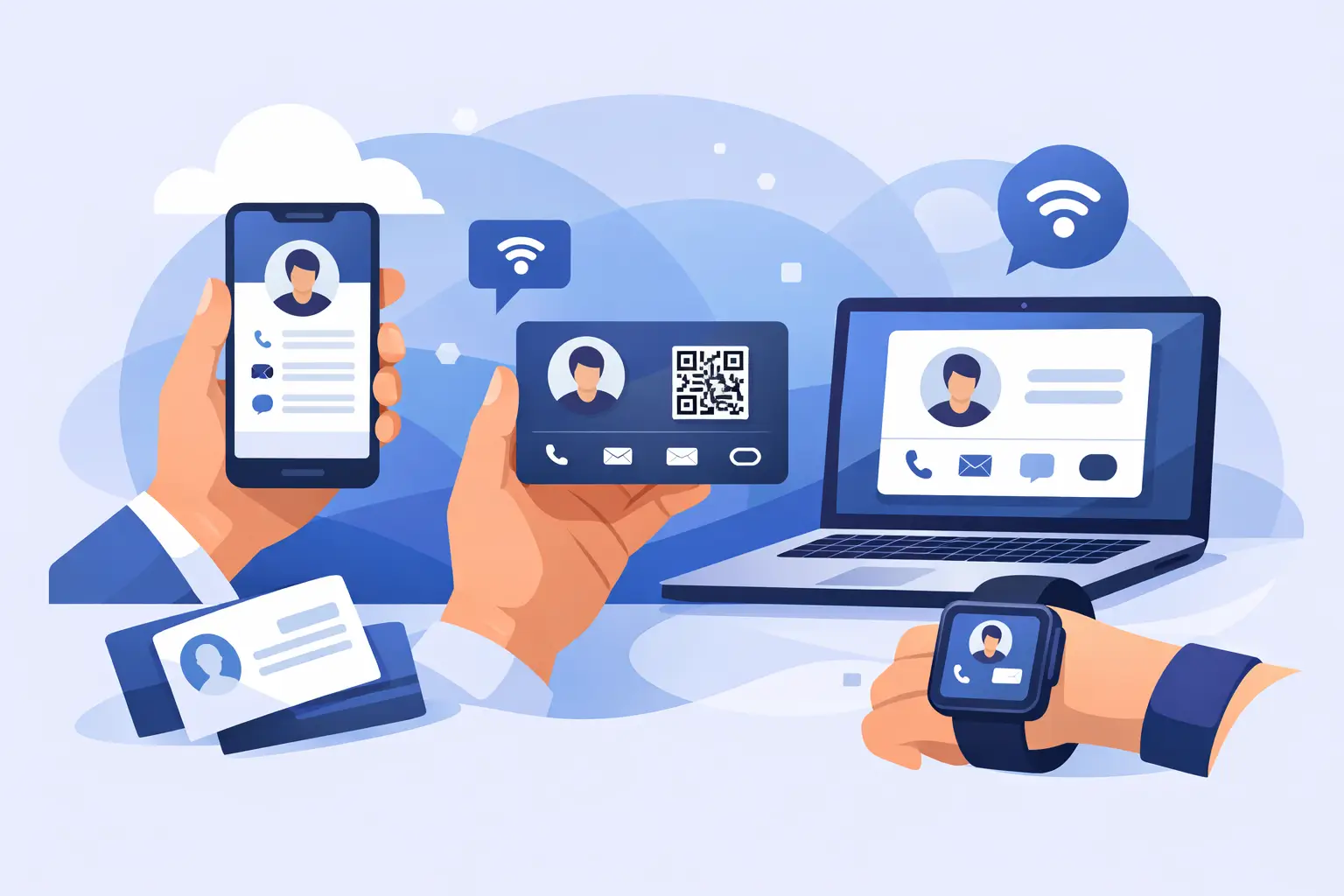
A digital business card is an online version of a traditional business card. But in practice, it does more than replace print. It gives you a mobile-friendly profile that can include your name, phone number, email, business details, social channels, services, products, photos, business hours, payment methods, and a direct way for customers to contact you. Instead of printing hundreds of cards and hoping people keep them, you share one link, one QR code, or one NFC tap.
That shift matters because most customer journeys now start on a phone. If someone discovers your business at an event, from a referral, through Instagram, or after scanning a code at your shop, they expect instant information. A printed card gives them a name and number. A digital card can give them the next step.
What is a digital business card and how does it work?
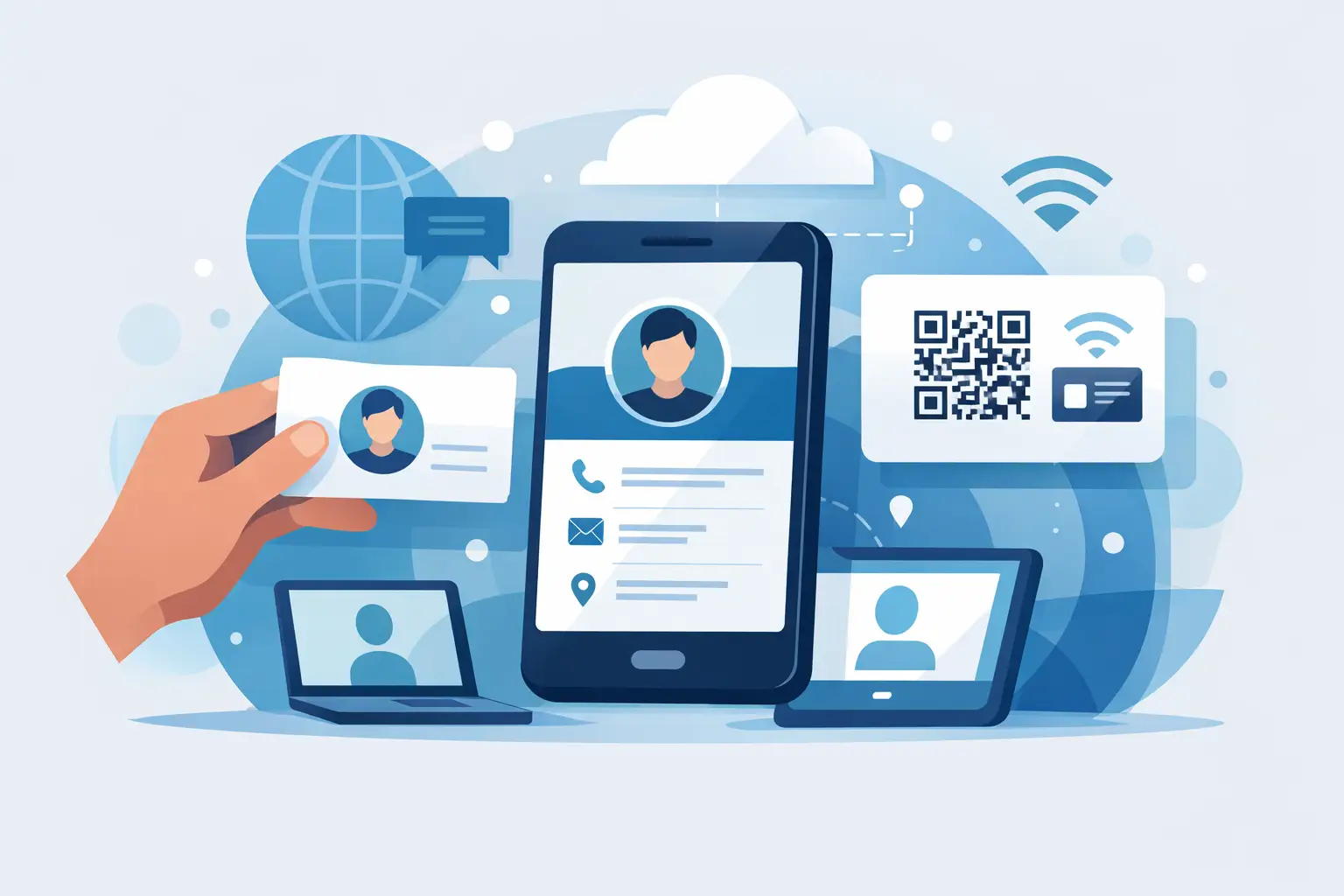
At its simplest, a digital business card is a shareable online profile designed for fast contact exchange. When someone opens it, they see your professional identity in one place. That may include your logo, job title, contact buttons, WhatsApp chat option, service list, location map, gallery, and lead form.
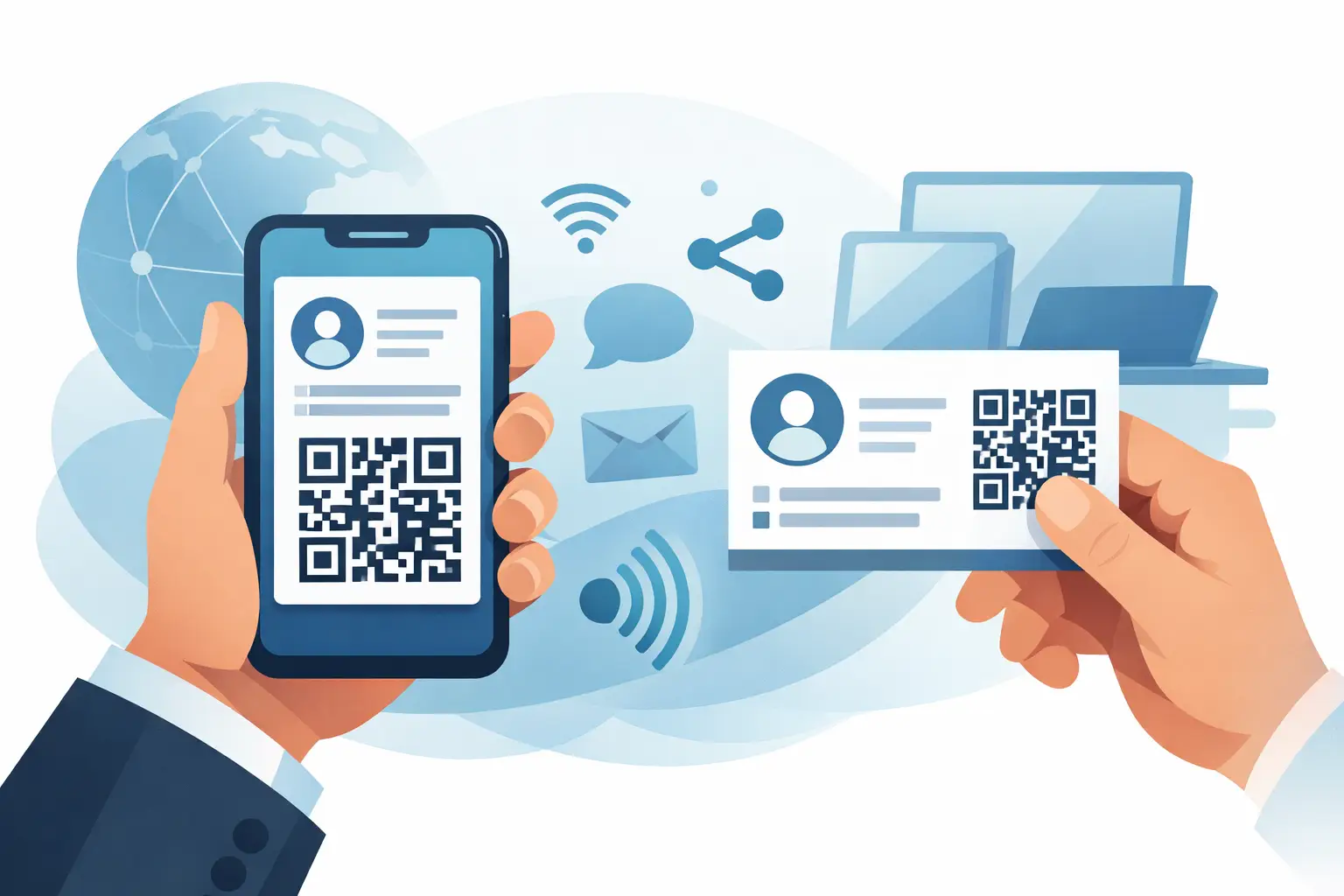
The way it works is straightforward. You create your profile once, add your business information, and then share it digitally. Some people send it by text or email. Others add it to their Instagram bio, Facebook page, or TikTok profile. In face-to-face settings, it is often shared through a QR code or an NFC card that opens the profile when tapped on a phone.
The biggest advantage is that the information stays current. If your phone number changes, you do not need to reprint anything. If you launch a new service, update your hours, or want to promote a product, you edit the profile and every future share reflects the latest version.
Why digital business cards are replacing printed cards
Printed cards are familiar, but they are limited. They cannot be updated, they offer almost no space, and they usually stop at contact details. That was enough when business cards were just for introductions. It is less effective when customers want proof, pricing, photos, reviews, and a quick way to message you.
A digital business card is better suited to how small businesses actually sell. Many service providers and local businesses do not need a large website right away. They need something faster and easier - a professional page they can share instantly while still looking polished. For a solo business owner, that can mean fewer missed leads and less back-and-forth.
It also solves a common problem: fragmented information. A customer sees your Instagram, then asks for your WhatsApp, then wants your location, then asks what you sell. With a digital card, those details can sit in one place instead of being scattered across apps.
That said, printed cards are not completely useless. Some industries still like them, and some audiences prefer something physical. But for businesses in growth mode, digital usually makes more sense because it is flexible, measurable, and easier to act on.
What a digital business card can include
The exact features depend on the platform, but the best digital cards go beyond basic contact info. They help you present your business clearly and move people toward an inquiry or purchase.
A strong digital business card can include your brand name, headshot or logo, phone number, email, website or social handles, and one-tap save contact options. It can also include service descriptions, product listings, pricing, image galleries, customer inquiry forms, directions, business hours, and payment information.
For many small businesses, this is the real value. The card becomes part business profile, part mini storefront. If you are a home baker, consultant, beautician, contractor, or retailer, you are not just sharing your number. You are showing what you do and making it easy for someone to take action.
This is why some platforms position digital cards as more than a networking tool. They function as lightweight conversion pages. A well-built card does not just say, here is my contact. It says, here is my offer, here is my work, and here is how to buy or message me right now.
Who benefits most from a digital business card?
Almost any professional can use one, but it is especially useful for people who rely on quick introductions and mobile-first customer behavior. Freelancers, agents, coaches, sales teams, real estate professionals, event vendors, local merchants, and service businesses tend to get the most immediate value.
If your business depends on referrals, social media traffic, walk-ins, or in-person networking, a digital card fits naturally. It shortens the gap between interest and inquiry. Instead of saying, I will send you the details later, you can send everything at once.
It is also a good fit for businesses that are not ready for a full website. A website can be valuable, but it often takes more time, money, and maintenance. A digital business card gives you a simpler starting point with less setup and less technical friction.
What makes a good digital business card?
Not every digital card is equally useful. Some are basically a contact page with a nicer layout. Others are built to help businesses get real results.
A good digital business card should be easy to open on any phone, with no app required. It should load quickly, look professional, and make the next action obvious. That next action might be calling, sending a WhatsApp message, viewing products, booking a service, or saving your details.
It should also be easy for you to manage. If updating your profile feels complicated, you will avoid doing it, and outdated information creates friction. Simplicity matters here. The whole point is to make your business easier to share and easier to contact.
Design matters too, but clarity matters more. Clean branding, a strong photo, short service descriptions, and obvious contact buttons will usually outperform a profile that tries to do too much. People do not need every detail at once. They need enough confidence to reach out.
Digital business card vs website
This is where context matters. A digital business card is not always a replacement for a full website, but for many small businesses it can cover the most urgent needs.
A website is usually broader. It may include multiple pages, blog content, SEO strategy, booking systems, and deeper brand storytelling. That is useful when your business has many offers or you are building long-term search visibility.
A digital business card is lighter and faster. It is built for direct sharing, quick access, and immediate action. If your main goal is to give people one clean place to contact you, view your services, and send an inquiry, a digital card may be enough for now.
For many entrepreneurs, the smartest move is to start with the simpler tool that helps them get moving. A platform like Dizcard works well in that space because it combines contact sharing, business details, product display, and lead capture without needing technical setup or an app download.
When should you switch to a digital business card?
If you are still handing out printed cards but also sending people your Instagram, WhatsApp, Google Map location, and price list separately, you are already feeling the need for something better. That usually means it is time.
You should seriously consider switching if your business information changes often, if you want to look more professional online, if you depend on mobile traffic, or if you want a simple way to capture more leads from networking. The more often you repeat the same details in chats and DMs, the more useful a digital card becomes.
The best part is that adopting one does not require a big digital overhaul. You do not need coding skills. You do not need to redesign your whole brand. You just need one clean, shareable profile that helps people go from interest to action with less friction.
A good business card should not end the conversation. It should help start the next one.